Designing for Seasonal Change: Light, Colour & Material
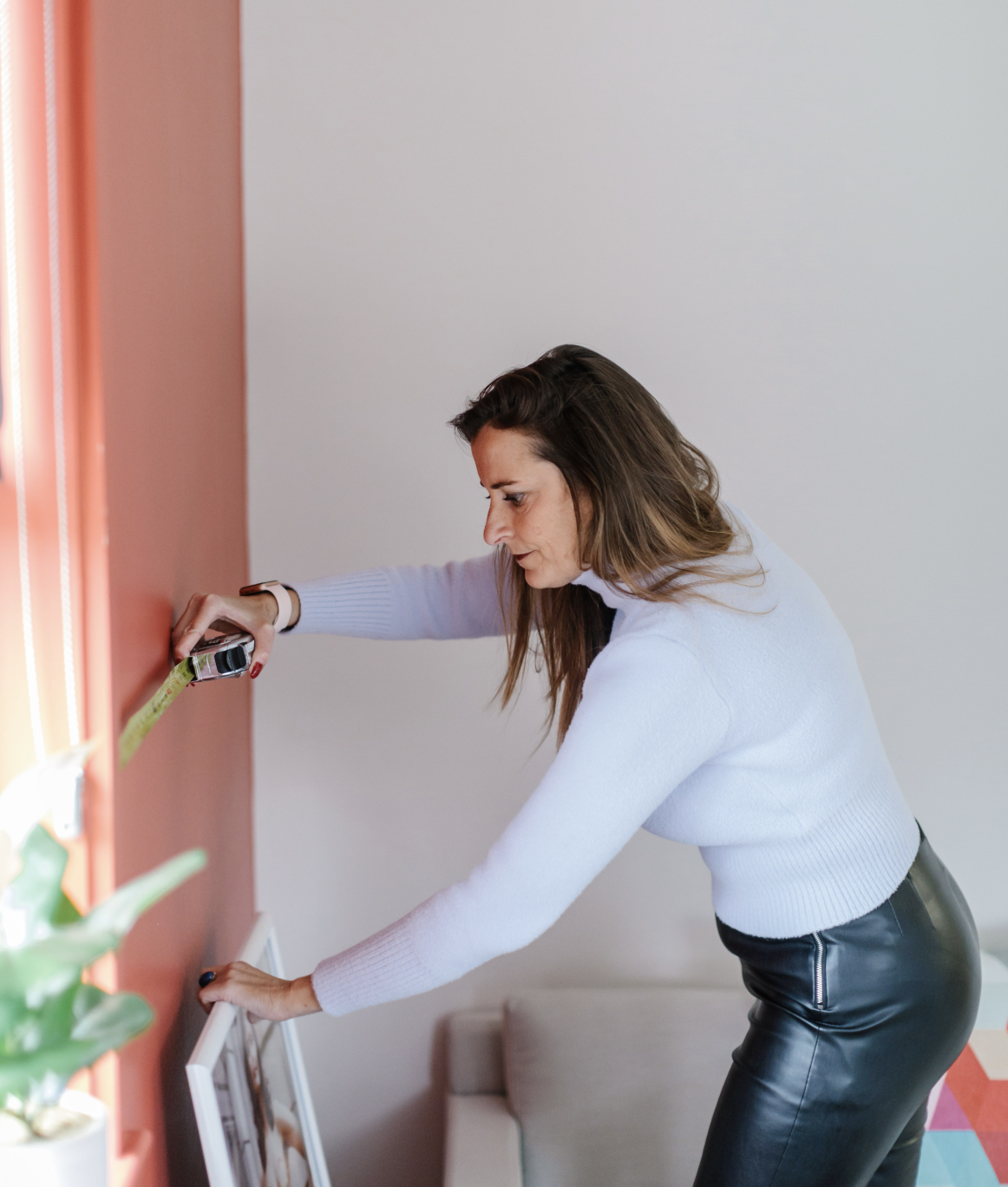
When we talk about designing for seasonal change, it is easy to picture a residential space. You swap out pillows, bring in a heavier throw, change the flowers on the table, and suddenly the room feels ready for fall.
Healthcare spaces are different.
You are probably not changing the waiting room pillows every season. In fact, you may not have pillows at all because anything you put into a healthcare environment has to work much harder than it would in a home. It needs to be durable, cleanable, safe, accessible, and able to withstand a lot of people moving through the space every single day.
But I still think healthcare spaces should change.
Actually, this is something I have been thinking about a lot lately. I have designed healthcare centers that we completed years ago, and I want to go back. Not because they need to be redesigned, but because spaces need maintenance. They need editing. They need someone to walk through them again with fresh eyes.
I don’t think you hire a designer, complete a project, take the beautiful photographs and then never think about the space again.
A well-designed healthcare environment should evolve with the practice.
Seasonal Change Doesn’t Have to Mean Seasonal Decor
When I say seasonal, I don’t necessarily mean pumpkins in October and garland in December. To me, a seasonal refresh is an opportunity to stop and really look at the space again.
One of the first places I notice this is lighting.
In healthcare renovations, we don’t always have the budget to replace every existing fluorescent fixture with LED. Sometimes those older fixtures have been there for years, with fluorescent lamps that have been replaced at different times and don’t necessarily match one another. You can end up with different color temperatures throughout the same hallway or waiting room.
What is interesting is that you might not notice how dated that lighting feels until everything around it is new.
We install new flooring, fresh paint, beautiful furniture and artwork, and suddenly the old fluorescent box lights are much more noticeable. One fixture may have a textured diffuser while the one next to it is flat. A lens may have yellowed or cracked. The lamps may not match in color. The fixture itself may simply need to be cleaned.
Those plastic panels are generally called lenses or diffusers, and replacing mismatched or damaged ones can be a relatively small improvement that makes the ceiling feel much more intentional.
It can also be a good time to ask whether some of those fluorescent fixtures can be converted to LED. Depending on the existing fixture, that might mean using LED tubes that are compatible with the existing ballast, rewiring the fixture for a different type of LED tube, installing an LED retrofit kit into the existing housing, or replacing the fixture altogether. These aren’t decisions I would make by simply buying an LED tube and putting it into an old fixture. An electrician or lighting professional needs to look at the existing fixture and ballast and determine which approach is appropriate. (Better Buildings Solution Center)
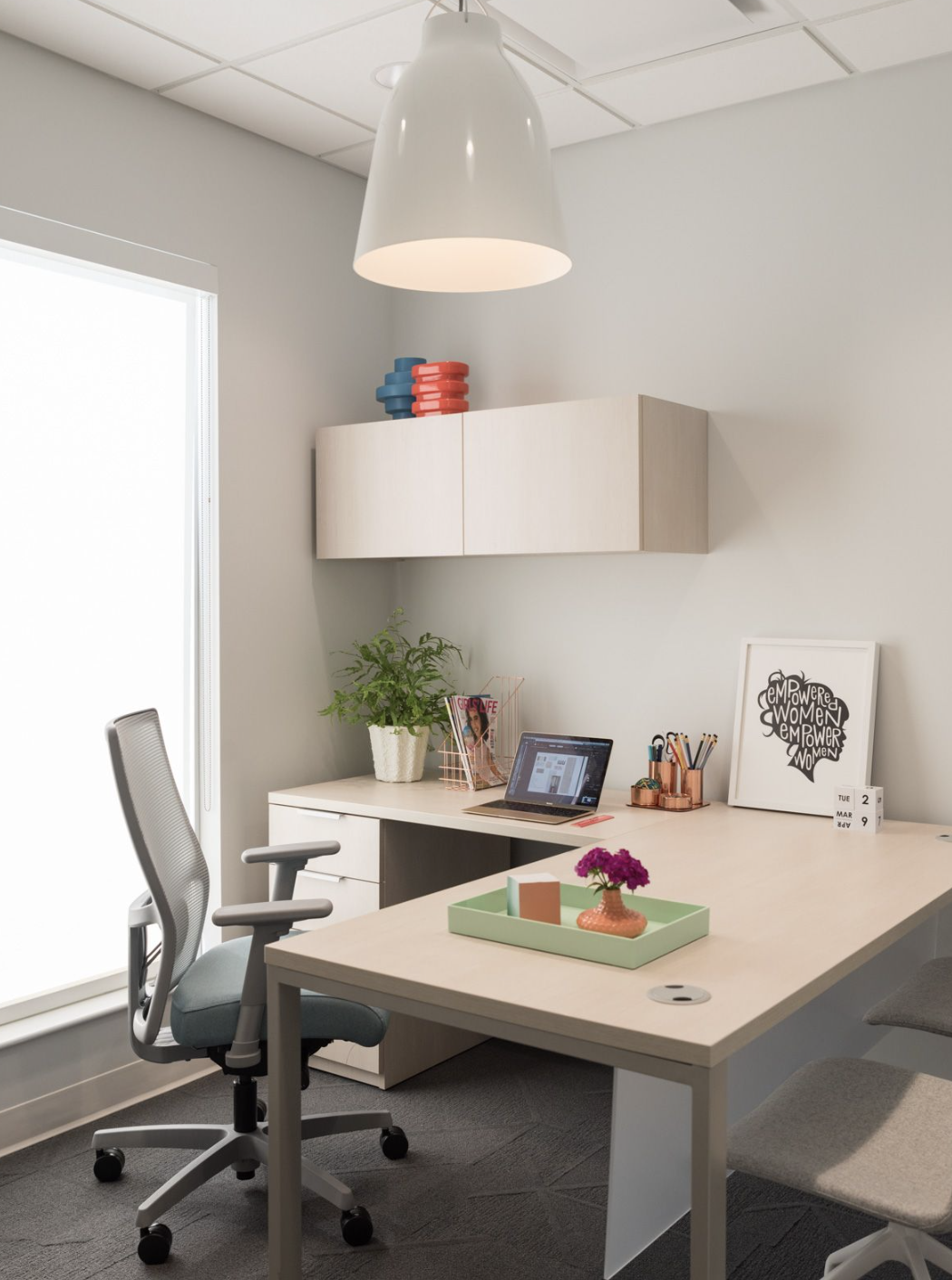
And then there are the decorative fixtures we added as part of the original design. Those need attention too.
When was the last time someone really cleaned the pendants over the reception desk? Are the sconces dusty? Is there a decorative fixture with a shade or diffuser that has become discolored? Does a lamp need to be replaced? Those details can slowly disappear into the background when you see the space every day.
A refresh gives us a reason to notice them again.

Go Back and Look at the Space Again
I think designers should have an ongoing relationship with the spaces they create, especially healthcare spaces.
When I return to a project, I want to look at it differently than I did on installation day. I want to see how people are actually using the space.
Did somebody move a chair because patients naturally want to sit somewhere else? Is there an area that has become cluttered because no storage was provided there? Is a table constantly being pushed out of position? Are people bringing in extra chairs from another room because there isn’t enough seating?
Those things tell you something.
A refresh might mean moving furniture around. It might mean bringing in my professional cleaners. It could mean taking a piece of upholstered furniture to be professionally cleaned, or having a commercial textile cleaner come in to treat it on site. It might mean touching up paint where wheelchairs, carts, bags, shoes and years of everyday use have left marks on the walls.
Commercial spaces take a beating.
You also start noticing the small things. A loose furniture leg. A damaged laminate edge. A light fixture that isn’t working correctly. A chair with upholstery that has reached the end of its life.
This is where having a designer involved again can be incredibly helpful because we already know the manufacturers, vendors and commercial sources behind many of those products. Sometimes something that looks like it needs to be replaced can actually be repaired. Sometimes it can be reupholstered. Sometimes the manufacturer has replacement components.
And sometimes, yes, it’s simply time for a new chair.
Your Patient Population May Have Changed Too
One of the most important things to reassess is whether the furniture still serves the people using the space.
Maybe when the practice opened, no one thought about bariatric seating. Now the staff is realizing that they need it.
A bariatric chair is seating specifically designed and structurally tested to accommodate larger-bodied users. It isn’t simply a wider version of a standard waiting-room chair. Bariatric seating typically incorporates a wider seat and a reinforced frame with a higher tested weight capacity.
Why does that matter? Because every patient who walks into a healthcare space should have somewhere they can sit safely and comfortably.
And I don’t love the idea of having one obviously oversized chair sitting by itself in the corner. When I’m specifying healthcare furniture, I want different body types and different physical needs to feel like they were considered as part of the overall furniture plan rather than as an afterthought.
It is also worth reevaluating the needs of older patients and people with mobility challenges. A beautiful lounge chair isn’t doing its job if a patient has difficulty getting back out of it. Seat height, firmness and arm support all matter.
And sometimes we don’t need to throw everything out and start over. Depending on the manufacturer and the chair, we may even be able to add arms or change components on existing lounge seating. That’s one of the benefits of working with commercial furniture manufacturers and keeping those relationships after installation. We can go back and find out what is possible.
Your practice changes. Your patients change. Your furniture plan may need to change with them.
Materials Need Checkups Too
Healthcare materials are selected because they can withstand heavy use, but that doesn’t mean they are indestructible.
Look closely at upholstery. Is it stained? Is it cracking? Are seams pulling apart? Is the material still responding well to the cleaning products the staff uses every day?
Before cleaning commercial upholstery, I would go back to the manufacturer’s care instructions. Healthcare fabrics and coated textiles can have very specific cleaning requirements, and using the wrong product repeatedly can damage the finish.
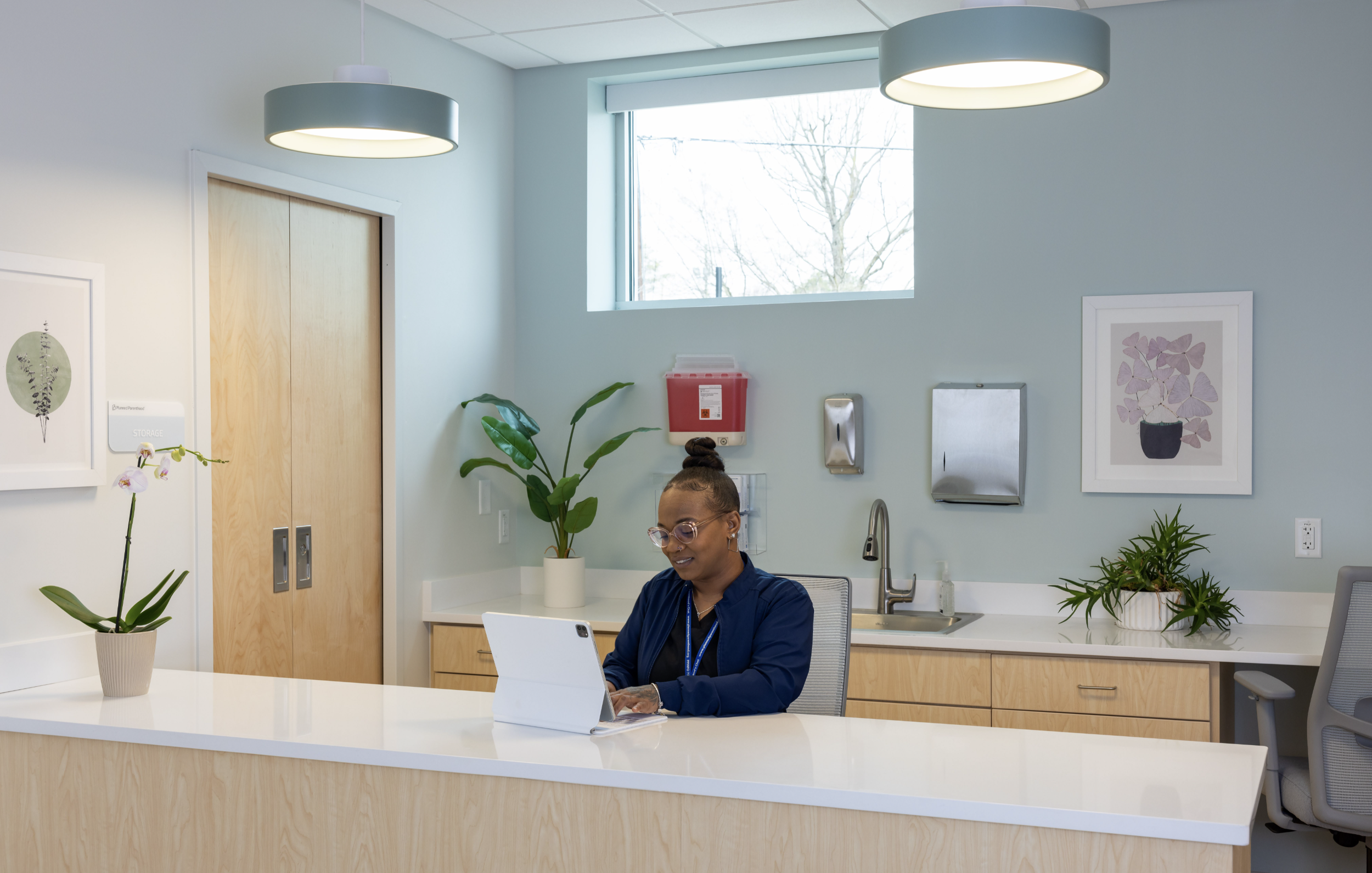
Then look at the walls. Scuffed paint can make an otherwise beautiful medical office start to feel worn surprisingly quickly. Sometimes a professional touch-up is enough. Other times it makes sense to repaint an entire wall rather than trying to patch years of little marks.
Look at flooring, casework, countertops, hardware, window treatments and decorative lighting with the same level of scrutiny.
Then look at the things that don’t technically need to be repaired but might need to be reconsidered. Maybe your artwork no longer represents your patients. Maybe your practice has grown. Maybe your branding has changed. Maybe the waiting room needs more privacy. Maybe you have learned that one particular corner needs a side table because patients are constantly looking for somewhere to put a coffee cup.
Good design isn’t frozen in time.
Restyling Matters
This is probably my favorite part because it doesn’t always require buying anything.
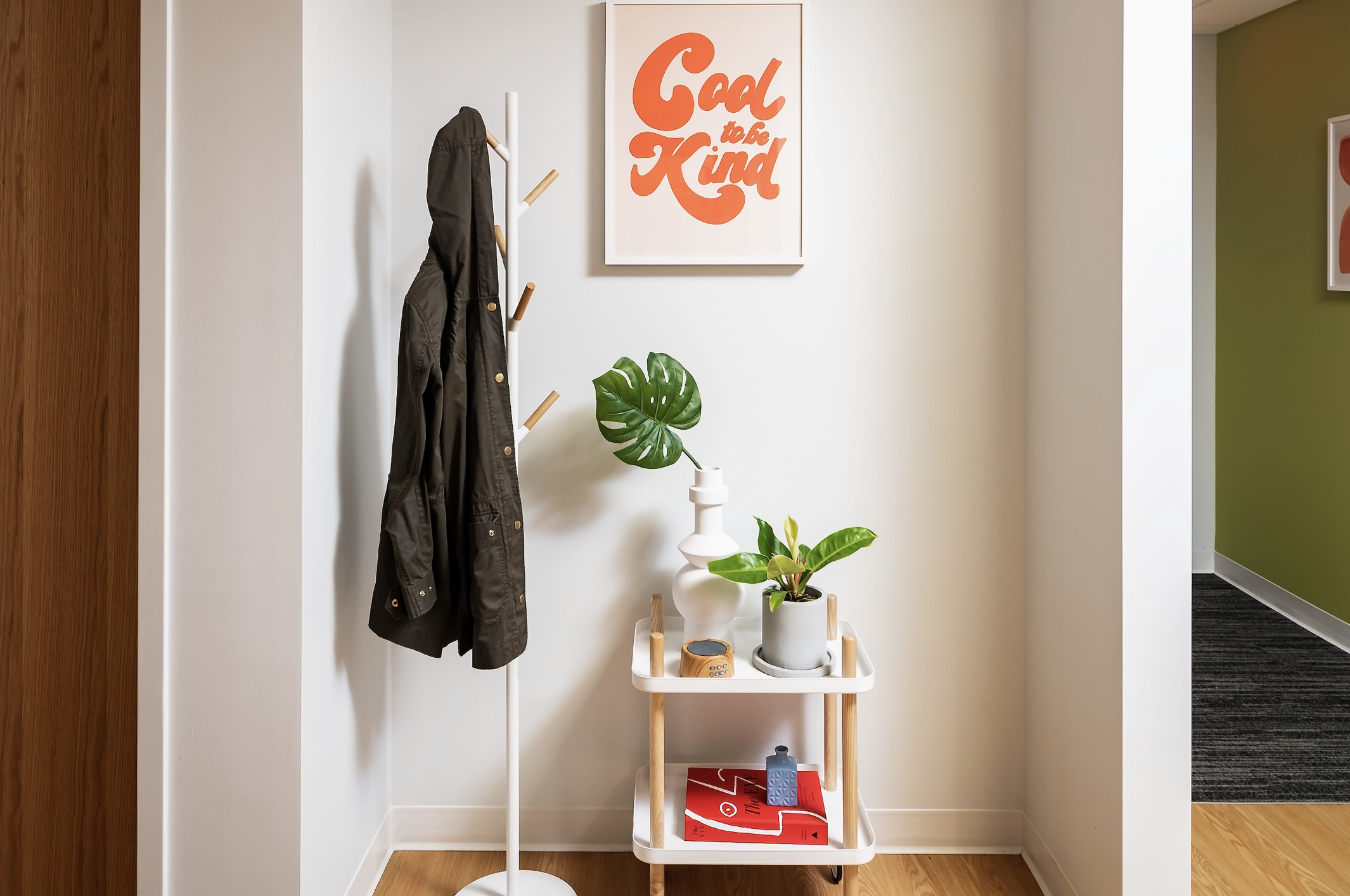
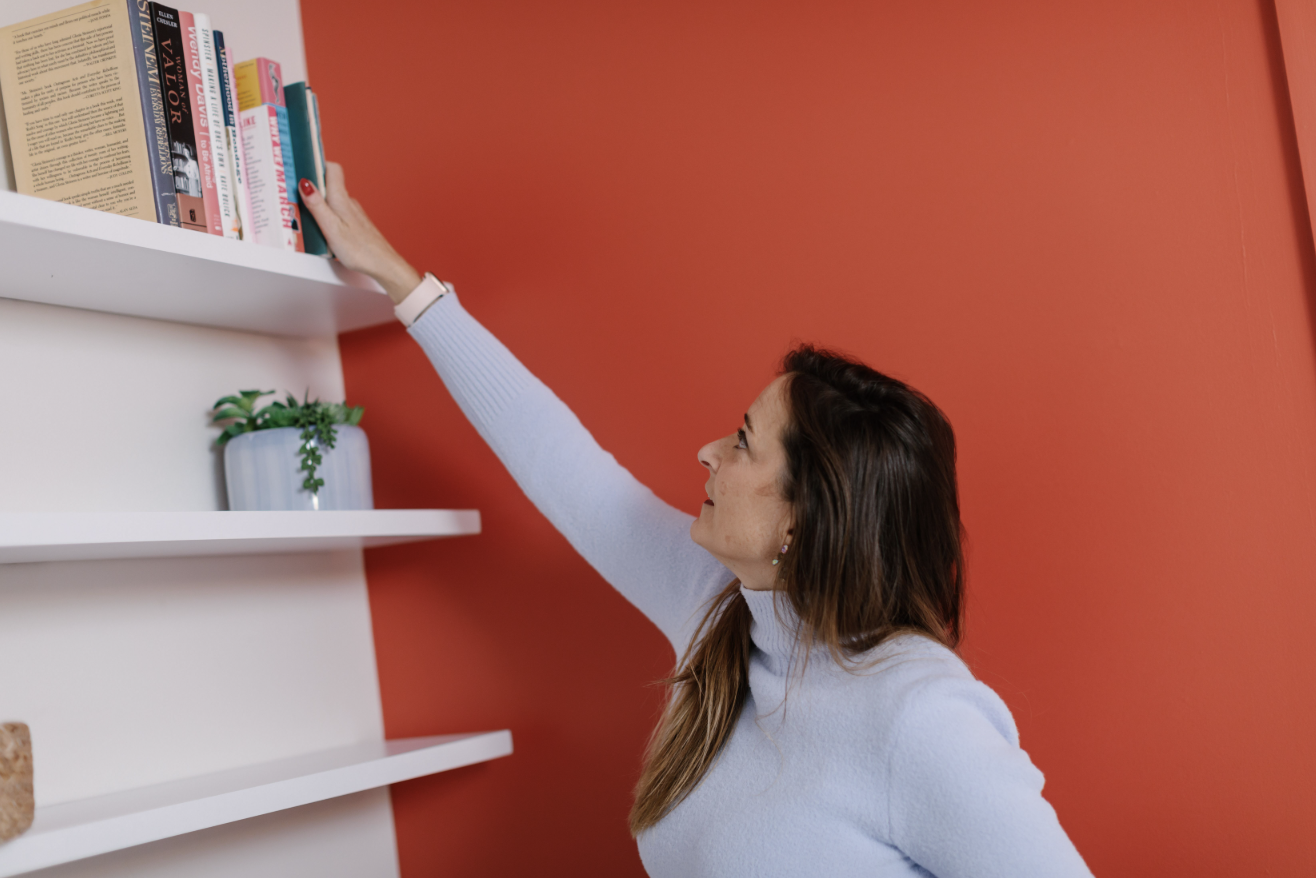
Sometimes I want to walk into a space, take everything off the shelves and start over. Move the artwork. Restyle the books. Take away the accessories that aren’t doing anything anymore. Bring in something organic or textural. Rotate pieces from another part of the office. Edit.
Spaces accumulate things over time. Someone brings in a plant. Somebody puts a stack of brochures somewhere. A holiday decoration never quite makes it back into storage. An extra chair appears. Before long, the environment doesn’t feel the way it did when it was originally installed.
A designer can help reset it.
A seasonal refresh can be incredibly simple. It isn’t about making a healthcare office look like someone’s living room or buying a collection of seasonal decorations. It’s about having a natural point during the year when we come back, look closely, clean, repair, rearrange and decide what the space needs now.
Design Is an Ongoing Relationship
We spend a lot of time in interior design talking about the transformation. We show the before photos, the renderings, installation day and, finally, the beautiful professional photographs of the finished space. But those photographs capture one moment in the life of a healthcare environment.
Three or five years later, thousands of patients may have walked through that waiting room. Staff members have come and gone. Furniture has been moved, walls have been bumped, procedures have changed and the needs of the practice may be different. None of that means the design isn’t working. It means the space is being lived in and used for exactly what we designed it to do.
I would love to see more healthcare practices think about their relationship with their interior designer as an ongoing one. Maybe that means bringing us back twice a year for a seasonal restyling. Maybe it’s an annual walkthrough where we make a list of what needs to be cleaned, repaired, replaced or reconsidered. Sometimes there will be a larger investment to make, and sometimes the answer may be as simple as professional cleaning, fresh paint, moving some artwork and replacing a few worn pieces.
Taking care of a healthcare environment is part of taking care of the people who use it. And I think there is real value in occasionally walking back through the door with fresh eyes and asking: What does this space need now?
If your healthcare space has been open for a few years and could use a fresh set of eyes, Blackwell & Jennings can help you evaluate what is working, what needs attention and where a few thoughtful changes could make the biggest difference.